Nov 27, 2026
Construction Project Management: A Complete Guide for Beginners
Construction projects require proper planning, budgeting, coordination, and execution. Whether you are building a residential property, commercial b...
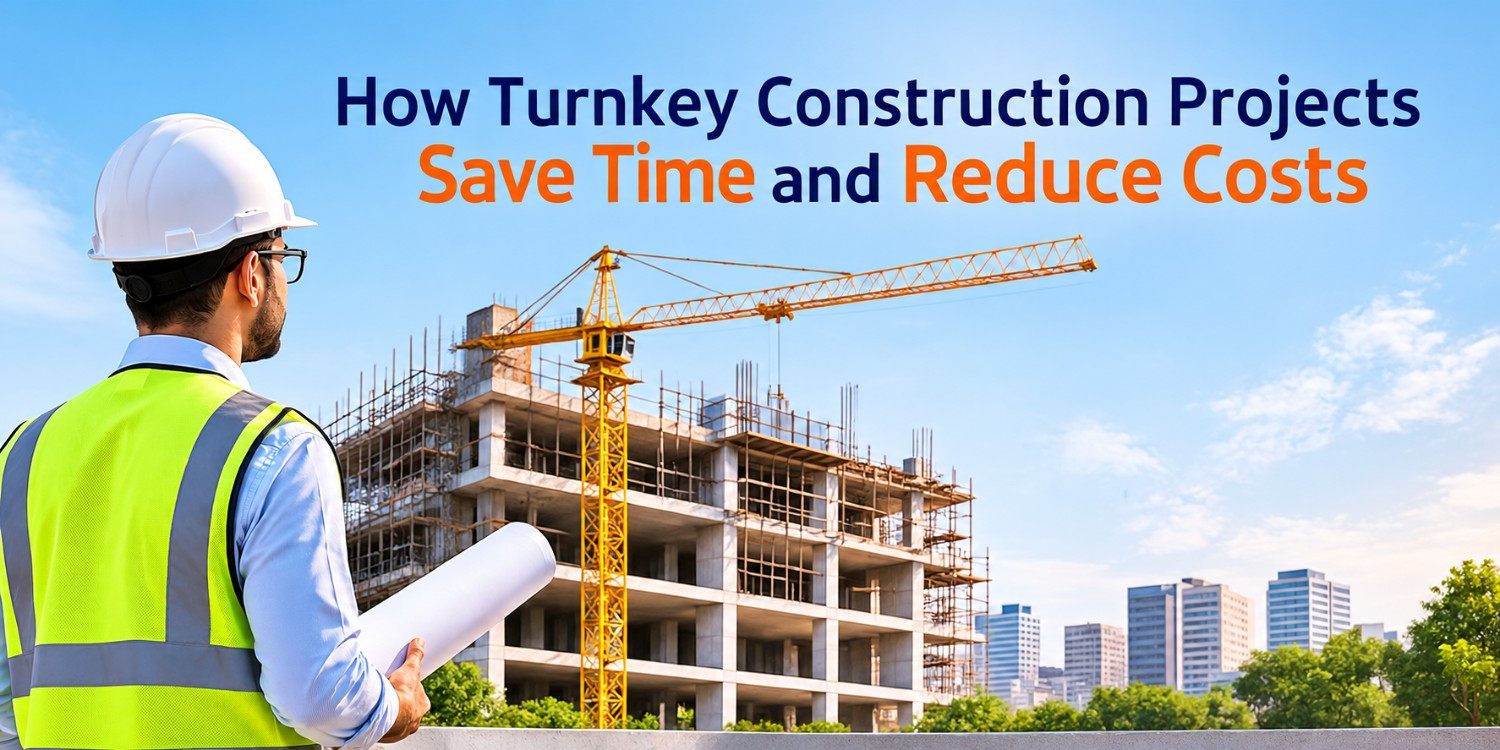
Construction projects require proper planning, skilled professionals, quality materials and regular supervision. Whether you are planning a commercial building, office space or industrial facility, managing every stage of construction can be challenging. Delays, poor coordination and unexpected expenses can increase the overall project cost.
This is where Turnkey Construction Projects offer a practical solution. They bring different construction activities under one responsibility, making the entire process easier to manage. From initial planning and design to construction and final handover, a turnkey approach helps clients save time, control expenses and reduce the stress of managing multiple contractors.
A turnkey construction project is a construction model in which one contractor or company takes responsibility for managing the complete project. This generally includes planning, design, material procurement, construction, quality checks and final handover.
The main idea is simple: the client works with one responsible team instead of coordinating with several different contractors. Once the project is completed according to the agreed requirements, it is handed over to the client, ready for use.
This approach is suitable for commercial buildings, offices, industrial facilities and other construction developments.
Time management is one of the biggest challenges in construction. A delay in one activity can affect the entire project schedule. Turnkey construction helps reduce these problems through better coordination and planning.
In traditional construction, clients often need to communicate with architects, engineers, suppliers and contractors separately. This can create confusion and slow down decision-making.
With turnkey construction, one company manages the major project activities. This makes communication easier and helps avoid unnecessary delays.
A successful construction project starts with proper planning. Turnkey contractors prepare a project plan covering design, material requirements, labour, construction activities and estimated timelines.
When every stage is planned in advance, teams can complete tasks in a more organised way and reduce the chances of delays.
Construction involves different professionals working together. Poor coordination between teams can lead to mistakes and repeated work.
Turnkey construction brings these activities under coordinated management. Architects, engineers, suppliers and construction teams can work according to a common plan, helping maintain project progress.
Clients do not have to manage every construction activity themselves. The contractor handles routine coordination, labour management, material arrangements and site supervision.
This allows business owners and investors to focus on their regular responsibilities instead of spending time managing multiple construction teams.
Saving money does not always mean choosing cheaper materials or reducing construction quality. It means using resources wisely, avoiding unnecessary expenses and managing the project efficiently.
Here is how turnkey construction can help control costs.
A turnkey contractor generally prepares an estimated project budget before construction begins. It includes major expenses such as materials, labour, equipment and other project requirements.
Having a clear cost estimate helps clients understand their financial commitments and plan their budgets more effectively.
Poor material planning can result in excess purchases, shortages and unnecessary wastage. These problems increase construction expenses.
With proper procurement and inventory management, turnkey contractors can arrange materials according to project requirements and reduce avoidable wastage.
Mistakes during construction can increase both time and costs. For example, incorrect measurements, design changes and poor coordination may require certain activities to be repeated.
Better planning, technical supervision and regular quality checks help identify issues early and reduce the chances of expensive rework.
Managing labour, equipment and construction materials properly is important for controlling expenses. A coordinated team can schedule resources according to project requirements.
This helps reduce idle time, unnecessary equipment usage and delays caused by resource shortages.
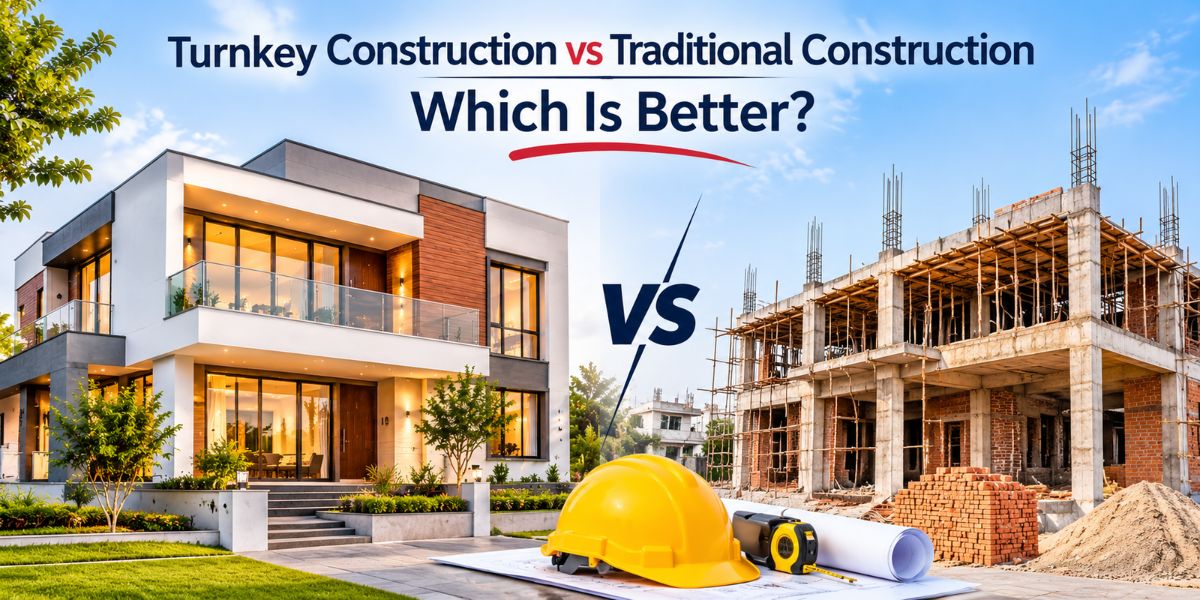
Both construction approaches have their own benefits, but they differ in project management and responsibilities.
| Factor | Turnkey Construction | Traditional Construction |
|---|---|---|
| Project management | Single main contractor | Multiple contractors |
| Communication | Centralised | Multiple channels |
| Budget planning | Generally coordinated | Managed separately |
| Responsibility | Clearly defined in the contract | Divided among parties |
| Client involvement | Usually lower | Usually higher |
The right approach depends on project size, budget, timeline and the level of involvement the client wants.
Choosing the right contractor is important for the success of any construction project. Before making a decision, consider these factors:
A clear agreement helps avoid misunderstandings and makes project management more transparent.
Turnkey construction makes project management easier by bringing planning, design, procurement and execution under one team. It helps save time, control costs and ensure a more organised construction process.
At Jairaj Buildcon and Stone Nest, we aim to provide reliable construction solutions based on your project needs. Our focus is on smooth execution, quality work and better project management. Contact us today to discuss your requirements and take the first step towards a successful construction project.
Construction projects require proper planning, budgeting, coordination, and execution. Whether you are building a residential property, commercial b...
Every successful industrial business needs a strong and well-planned space to operate. But building a factory, warehouse, or industrial shed involves...
Building a house or commercial property is a major investment. Along with choosing the right location and design, selecting the right construction me...