Oct 19, 2026
Commercial Building Construction Process: Step-by-Step Guide
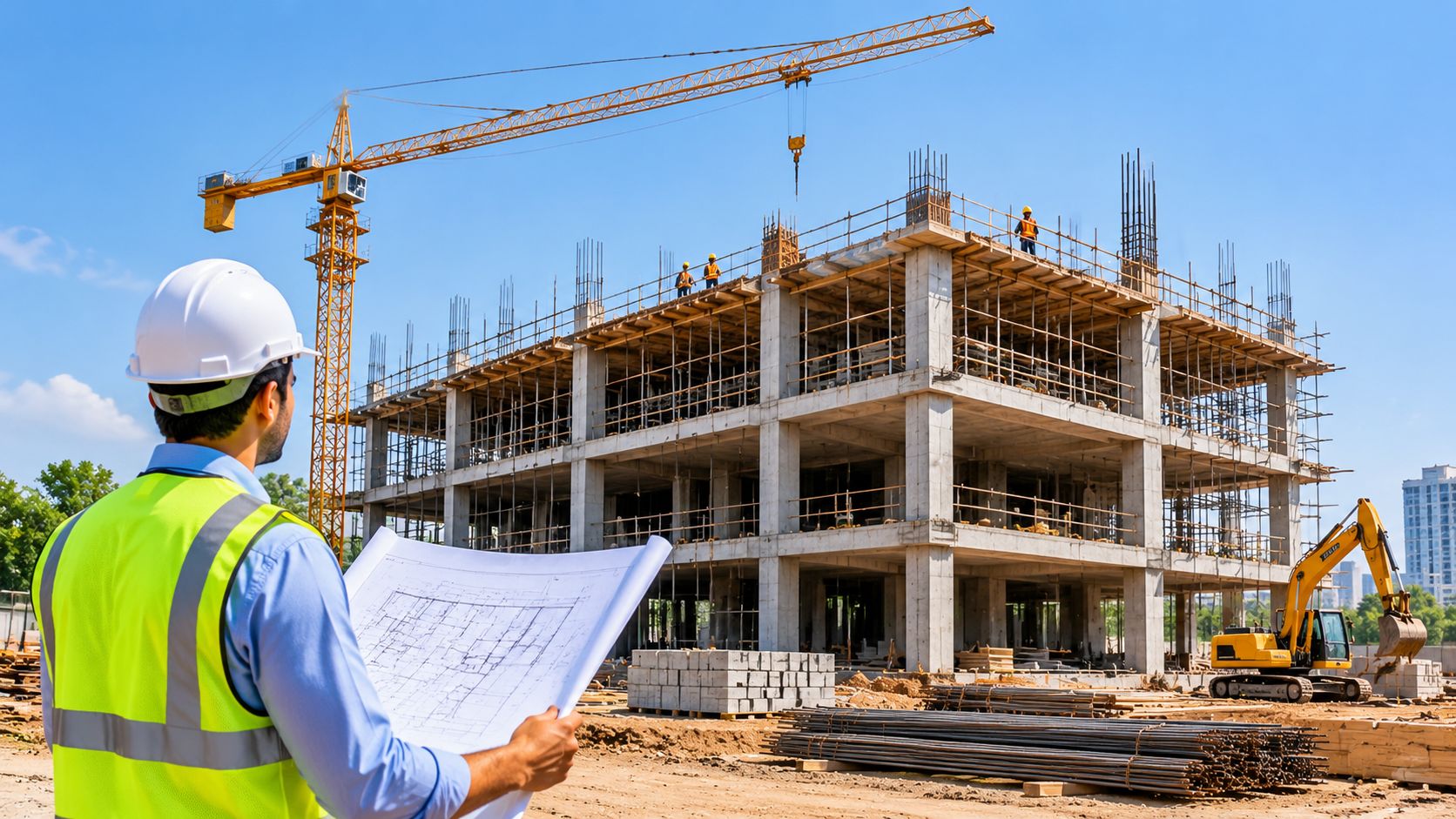
Every successful commercial building begins with a solid plan, not just a strong foundation. From budgeting and design to material selection and cons...
A newly constructed commercial building may look complete, but proper maintenance is essential to keep it safe, functional, and valuable over time. Small issues such as water leakage, electrical faults, blocked drainage, or poor ventilation can become expensive problems if they are ignored after handover.
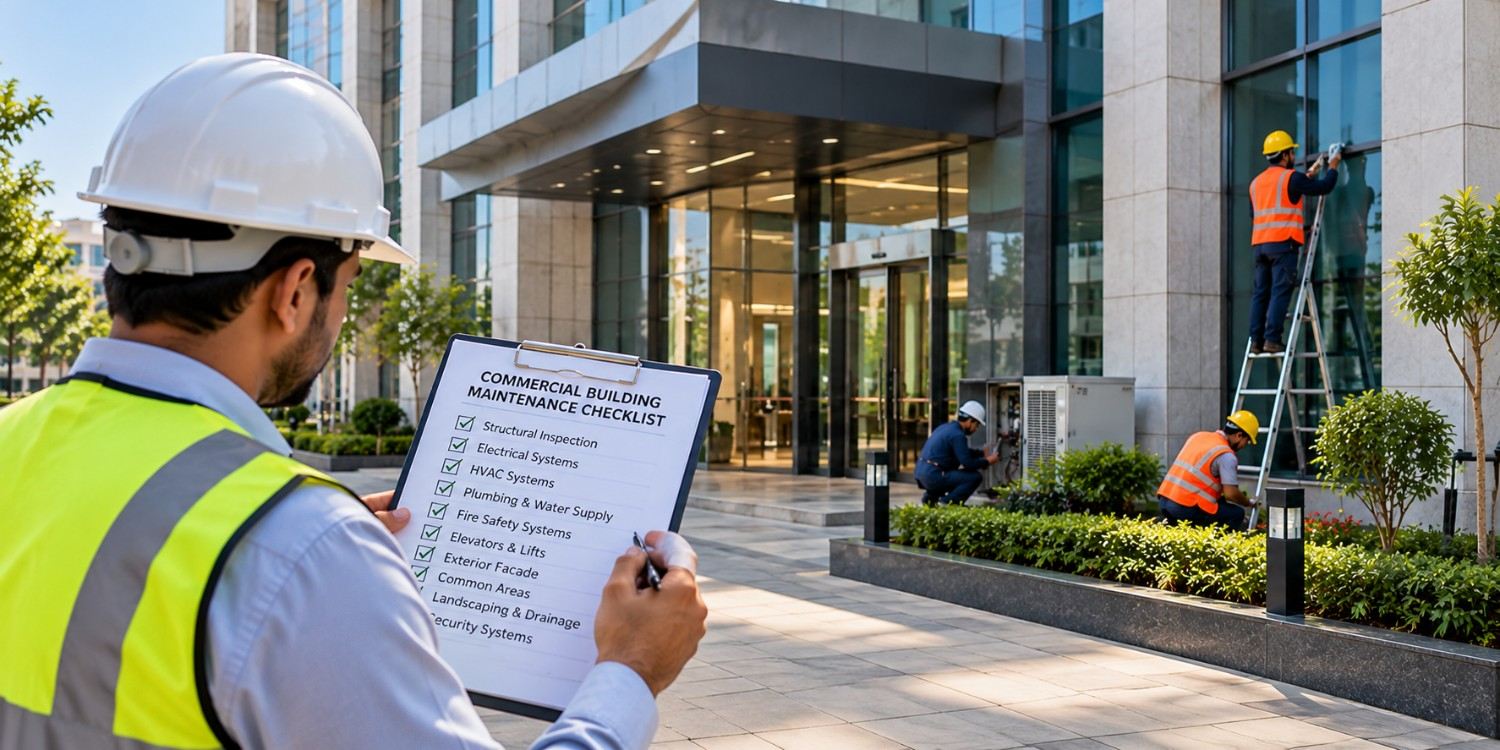
So, what should you check after completing a commercial construction project? From structural inspections and waterproofing to electrical systems, fire safety, plumbing, and HVAC maintenance, every building component needs regular attention. This guide explains the essential commercial building maintenance checklist after construction to help property owners, facility managers, and business owners maintain their buildings efficiently.
Completing construction is only the beginning of a building's operational life. Regular maintenance helps preserve the quality of construction, reduce unexpected repair costs, improve occupant comfort, and protect the property's long-term value.
For offices, shopping complexes, warehouses, showrooms, and other commercial properties, even a minor technical issue can interrupt business activities. For example, an unnoticed roof leak can damage ceilings and electrical installations, while an improperly maintained air-conditioning system can reduce indoor comfort and energy efficiency.
A structured maintenance plan helps property owners detect problems early, schedule repairs, and maintain a safer working environment.
Structural inspection should be one of the first priorities after construction and before occupancy. Although the building may appear complete, a professional inspection can identify defects that require further investigation.
Check the following:
Not every crack indicates a structural problem. However, widening cracks, unusual deflection, exposed reinforcement, or signs of movement should be assessed by a qualified structural engineer.
Waterproofing problems can damage a commercial building's interiors, electrical systems, and structural components. Roofs and exposed terraces should be inspected before the monsoon and periodically throughout the year.
Your checklist should include:
If leakage is identified, locate its source and arrange appropriate repairs rather than simply covering the affected surface with paint.
Electrical systems must operate safely and reliably in commercial buildings. Improper connections, damaged cables, overloaded circuits, and poorly maintained panels can create operational and fire hazards.
Check these items:
Electrical testing, panel work, and repairs should be performed by qualified professionals. Never open or work on live electrical equipment without appropriate training and safety procedures.
Plumbing defects may remain unnoticed until the building starts operating. A complete plumbing inspection helps identify leaks, poor water pressure, drainage problems, and faulty fixtures.
Inspect the following:
Arrange tank cleaning, water-quality checks, and other necessary servicing according to the building's usage, applicable requirements, and professional recommendations.
Heating, ventilation, and air-conditioning (HVAC) systems help maintain comfortable indoor conditions and adequate ventilation. Poor maintenance can lead to inefficient cooling, increased energy consumption, and indoor air quality concerns.
Include these tasks in your commercial building maintenance checklist:
Keep service records and address recurring faults instead of repeatedly treating the symptoms without investigating their cause.
Fire safety is a critical part of commercial property maintenance. Installed safety systems must remain operational, accessible, and properly maintained.
Check the following:
Follow applicable local fire requirements, approved building plans, equipment manufacturer instructions, and the relevant provisions of the National Building Code of India. Do not assume that a visual check alone is sufficient to confirm system performance.
Commercial buildings with elevators or other lifting equipment need a planned inspection and servicing schedule to maintain safe operation.
Your checklist should cover:
Elevator machinery, safety circuits, and other specialised components should only be inspected or repaired by appropriately qualified personnel.
Interior finishes affect the appearance, cleanliness, and usability of a commercial property. They should be inspected after construction and monitored during regular building operations.
Check these areas:
Before completing the final handover, prepare a snag list of unfinished work and defects. Assign responsibility for each item and confirm that corrective work has been completed.
The exterior of a commercial building is exposed to weather, pollution, traffic, and regular use. Routine maintenance helps protect the building envelope and keep outdoor areas safe.
Include these checks:
Any loose façade materials or other potentially dangerous defects should be secured and assessed promptly by competent professionals.
Commercial properties may include CCTV, access control, fire monitoring interfaces, and building management systems. These installations should be checked during handover and maintained according to their operational requirements.
Verify that:
Confirm that the building's authorised staff know how to operate essential controls and report faults.
The correct frequency depends on the building type, occupancy, equipment specifications, environmental conditions, and applicable regulations. The following table is a practical starting point, not a replacement for mandatory inspections or manufacturer instructions.
| Frequency | Recommended maintenance tasks |
|---|---|
| Daily | Check cleanliness, visible leaks, lighting, access routes, washrooms, and obvious safety hazards. |
| Weekly | Inspect common areas, external walkways, visible plumbing issues, and housekeeping conditions. Perform any prescribed routine fire system checks. |
| Monthly | Review equipment condition, inspect accessible roof drainage, check HVAC filters where required, and review outstanding repair requests. |
| Quarterly | Schedule relevant electrical, plumbing, HVAC, drainage, and building envelope inspections according to risk and service requirements. |
| Half-yearly | Review major equipment servicing, waterproofing condition, external finishes, and recurring maintenance issues where appropriate. |
| Annually | Arrange the required professional inspections, major equipment servicing, structural assessments where indicated, and a review of the complete maintenance plan. |
Some systems require more frequent checks. For example, emergency exits must remain accessible at all times, while specialised fire protection and elevator equipment must follow their applicable testing and servicing requirements.
Even a well-constructed commercial building can develop problems when maintenance is poorly managed.
Ignoring small leaks and cracks: Minor defects can indicate larger issues. Record them and arrange appropriate assessment before they worsen.
Waiting for equipment failure: Reactive repairs can interrupt business operations. Preventive servicing helps identify developing faults before they cause downtime.
Skipping professional inspections: Certain structural, electrical, fire safety, and elevator checks require competent specialists rather than routine visual inspections.
Losing handover documents: Missing drawings, manuals, and warranty records can make repairs more difficult and costly.
Using unsuitable repair materials: Incorrect sealants, waterproofing products, or finishing materials can cause recurring defects. Follow the original specifications and obtain technical advice when needed.
Failing to assign responsibility: A maintenance plan should identify who performs each task, when it is due, and how completion is recorded.
A useful maintenance plan should be easy to follow, measurable, and appropriate for the building's actual needs.
For larger commercial buildings, computerised maintenance management software can help schedule inspections, manage work orders, store service records, and track unresolved issues.
A well-maintained commercial building ensures safety, efficiency, and long-term value. Regular inspections and preventive maintenance help prevent costly repairs, improve building performance, and keep your property in excellent condition for years to come.
Planning to build or invest in a commercial property? Connect with Jairaj Buildcon and Stone Nest for reliable construction solutions and expert guidance. Build with confidence today and protect your property's long-term value with the right construction and maintenance approach.
Every successful commercial building begins with a solid plan, not just a strong foundation. From budgeting and design to material selection and cons...
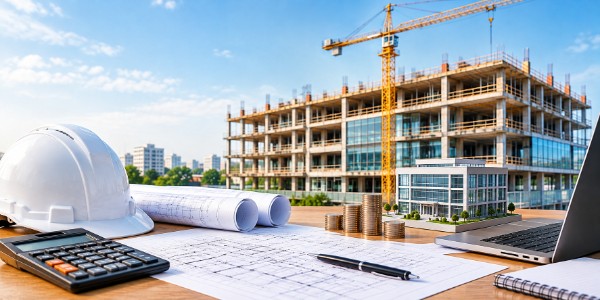
Planning a commercial building project? Start with a smart budget to avoid costly surprises! Whether you are constructing an office, showroom, warehou...
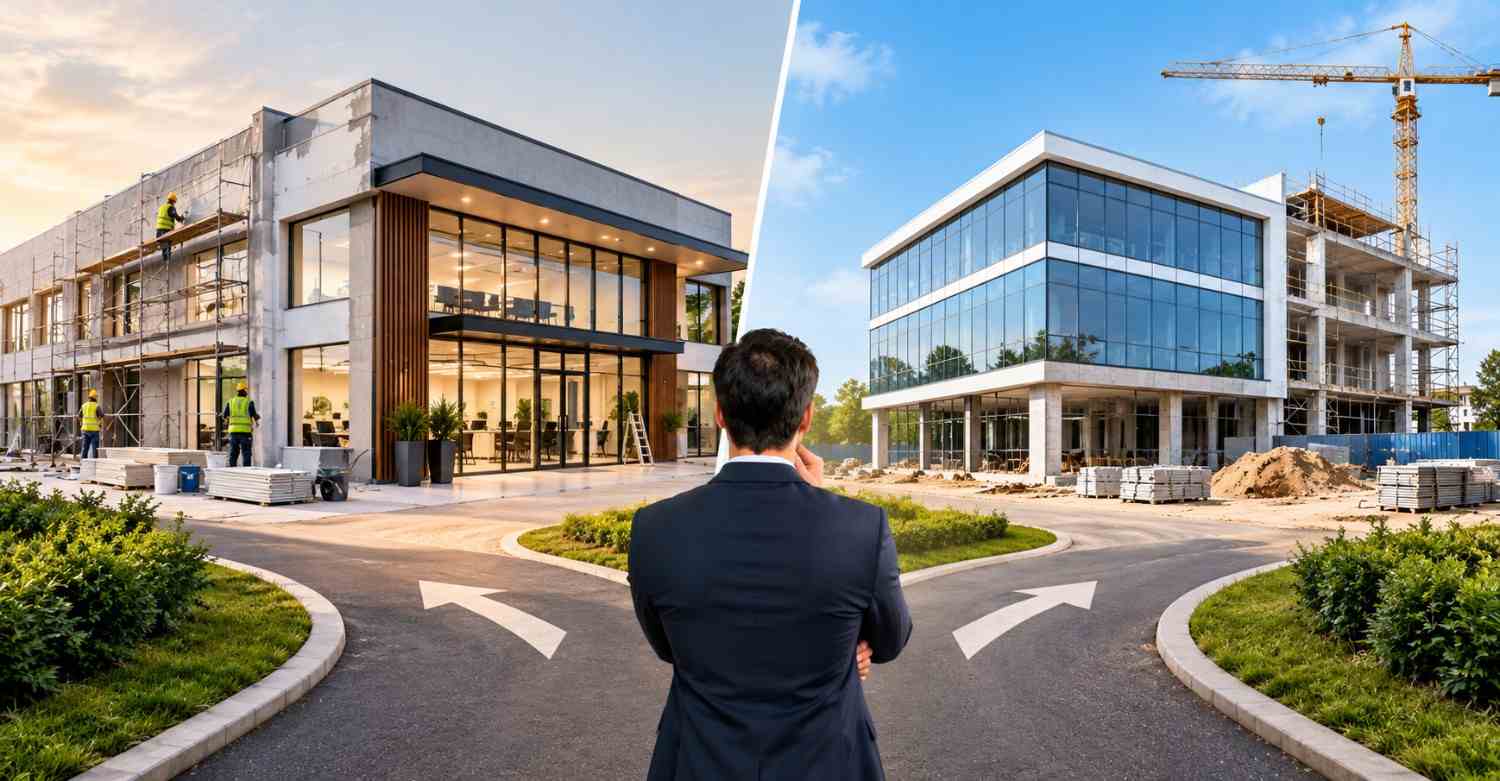
When your commercial property starts feeling outdated, cramped, or unable to support your growing business, one important question comes up: Should yo...