Sep 3, 2026
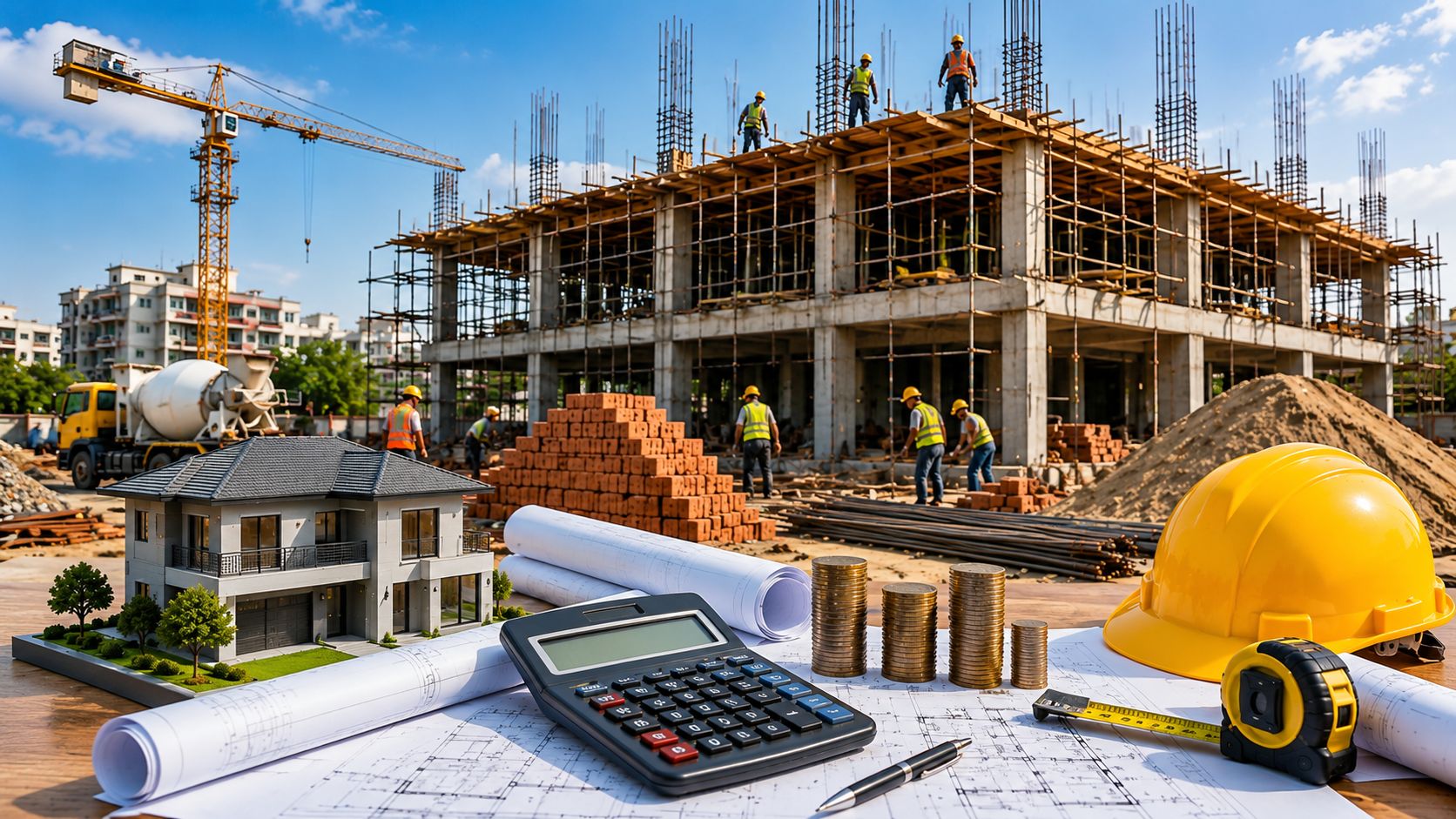
Building Construction Cost Calculator: Complete Cost Estimation Guide
Building a house is a major investment, and knowing the expected construction cost before starting work can help you plan your budget properly. A bui...

A single missing clause in a commercial construction contract can lead to unexpected costs, project delays, and costly disputes. Whether you're building an office, showroom, warehouse, or shopping complex, having a clear agreement is essential to protecting your investment.
So, what should a commercial construction contract include? From project costs and payment schedules to construction timelines, material quality, warranties, and legal responsibilities, every detail matters. In this guide, we'll cover the essential clauses you should check before signing a contract.
A commercial construction contract is a legally enforceable agreement between a property owner or developer and a contractor that establishes the terms and conditions for completing a commercial building project.
It explains what needs to be constructed, who is responsible for each activity, how much the project will cost, when payments are due, and what happens if either party fails to meet its obligations.
Depending on the project, the agreement may cover construction of office buildings, commercial complexes, retail spaces, industrial facilities, warehouses, hotels, or other non-residential properties.
In India, construction contracts are generally governed by applicable laws, including the Indian Contract Act, 1872, along with relevant building regulations, tax provisions, and other laws applicable to the project. The exact requirements depend on the contract structure, location, and nature of the work.
A properly prepared agreement provides a common reference point for both parties and helps reduce misunderstandings throughout the construction process.
The first section should identify every party involved in the agreement. This may include the property owner, developer, main contractor, and other entities with contractual responsibilities.
Include the following details:
If a company is entering into the agreement, verify that the person signing it has the appropriate authority.
Why it matters: Correct identification helps establish who is legally responsible for fulfilling the contract. It also reduces the risk of disputes arising from incorrect company names, unclear authority, or confusion about the contracting entity.
The scope of work is one of the most important sections of a commercial construction contract. It defines exactly what the contractor must deliver and what falls outside the agreed work.
A vague description such as "construction of a commercial building" leaves too much room for different interpretations.
Instead, clearly specify the construction activities, including:
Attach approved architectural drawings, structural drawings, specifications, and a bill of quantities (BOQ) where appropriate.
The contract should also explain which activities are excluded, such as interior furniture, specialised equipment, external utility connections, or certain approval fees.
Why it matters: A detailed scope of work reduces disagreements about whether an activity is included in the agreed construction price or requires an additional payment.
The contract must clearly establish the commercial terms of the project. The pricing structure should reflect the nature, size, and complexity of the building.
Common pricing arrangements include:
The agreement should specify the total contract value or applicable rates, applicable taxes, provisional sums, allowances, exclusions, and treatment of price variations.
For example, if a commercial building is awarded under a lump-sum contract, the agreement should explain which changes could justify an adjustment to the original price.
Why it matters: A transparent pricing structure makes budgeting easier and helps prevent disputes over additional charges, material costs, and unplanned work.
Payment terms determine when the contractor receives money and what the property owner must verify before releasing it.
Instead of relying on informal requests, establish a written payment schedule linked to measurable construction milestones.
For example:
| Construction milestone | Payment condition |
|---|---|
| Mobilisation | Agreed advance against specified conditions |
| Foundation completion | Inspection and approval of foundation work |
| Structural work | Payment against verified progress |
| MEP installation | Verification of agreed electrical, plumbing, and mechanical work |
| Finishing stage | Completion and inspection of specified finishes |
| Final handover | Completion of contractual requirements and submission of required documents |
The actual milestones and payment percentages should be negotiated according to the project's scope and commercial arrangements.
Also clarify invoice submission procedures, certification requirements, payment due dates, advance recovery, retention money, and the consequences of delayed payments.
Why it matters: Milestone-based payments improve cash-flow planning for both parties and help ensure that payments correspond to actual work completed.
Construction delays can increase labour costs, financing expenses, equipment rental charges, and losses associated with postponed business operations.
For this reason, the contract should establish a clear project schedule.
Include:
The agreement should also identify circumstances that may justify additional time, such as qualifying changes in scope, specified approval delays, or force majeure events.
Why it matters: A documented timeline helps the owner monitor progress and gives the contractor a clear framework for planning labour, materials, equipment, and subcontractors.
The appearance and long-term performance of a commercial building depend on the quality of its materials and workmanship.
The contract should identify the required standards instead of relying on general descriptions such as "premium quality" or "best materials."
Specify, where applicable:
It should also explain how substitute materials can be proposed, who must approve them, and how non-compliant work will be corrected.
Why it matters: Written specifications give the owner, architect, engineer, and contractor a consistent basis for evaluating construction quality.
Commercial construction projects may require several permissions and approvals before and during construction.
The contract should clearly allocate responsibility for obtaining and maintaining applicable approvals, including:
The agreement should distinguish between approvals the owner must obtain and those the contractor is responsible for arranging.
It should also clarify who bears the cost of application fees, inspections, documentation, and corrective work arising from non-compliance.
Why it matters: Unclear responsibilities for approvals can lead to delays, unexpected expenses, and difficulties obtaining permission to use the completed building.
Commercial construction sites involve risks associated with heavy equipment, working at heights, excavation, electrical installations, and movement of materials.
The contract should establish clear safety responsibilities for the contractor, subcontractors, and property owner.
Include requirements relating to:
Insurance provisions should identify the required policies, coverage limits, policy periods, and parties to be covered. Depending on the project, these may include construction all-risk insurance, third-party liability insurance, and legally required employee-related coverage.
The contract should also clarify responsibility for damage to the site, adjacent properties, materials, and completed work.
Why it matters: Clear safety procedures and suitable insurance arrangements help manage construction risks and establish responsibilities if an incident occurs.
Changes during construction are common. A property owner may request additional flooring, revised layouts, upgraded materials, or extra electrical installations.
However, allowing work to change without a documented process can create disputes about costs and completion dates.
A variation clause should explain:
For example, if the owner requests additional office partitions after the original drawings are approved, the contractor should provide a written estimate of the extra cost and any schedule impact before proceeding.
Why it matters: A formal variation process prevents unauthorised work and makes it easier to track the project's final cost.
A building may develop defects after construction is completed. These can include water leakage, cracks associated with defective workmanship, faulty installations, or finishing problems.
The contract should define the defect liability period, during which the contractor must address covered defects in accordance with the agreement.
Specify:
The agreement should distinguish between a defect liability obligation, a manufacturer's warranty, and any separate structural warranty or statutory obligation that applies.
Why it matters: Clear defect-related provisions give the owner a defined procedure for reporting and resolving covered problems after handover.
The contract should explain the consequences of delay, breach of contract, and damage caused by a party's failure to meet its obligations.
A delay-related clause may provide for liquidated damages if the contractor fails to complete the work within the agreed period, subject to the contract and applicable law.
The agreement should define:
Indemnity provisions should identify which party must protect the other against specified losses or claims. Liability caps should be drafted carefully and should not be assumed to exclude every category of loss or statutory responsibility.
Why it matters: Clearly allocated risk helps both parties understand their potential financial exposure before a dispute arises.
Even a carefully planned project can experience disagreements over payments, construction quality, delays, or changes in scope.
The contract should establish a structured dispute resolution process.
This may include:
If arbitration is selected, the clause should specify the seat and venue where relevant, applicable rules, appointment procedure, and language of proceedings. The agreement should be drafted consistently with the Arbitration and Conciliation Act, 1996, as applicable.
The termination clause should explain when either party may terminate the contract, including material breach, persistent non-performance, insolvency-related events where legally appropriate, or other agreed circumstances.
It should also cover notice and cure periods, suspension of work, measurement and payment for completed work, return of materials or documents, and the handling of outstanding obligations.
Why it matters: A clear dispute and termination procedure gives the parties a defined way to address serious problems without relying on improvised decisions.
When preparing a commercial construction agreement in India, the parties should consider the laws and regulations applicable to their specific project.
Important legal considerations include:
A construction contract does not automatically require the same formalities in every situation. Requirements may vary depending on the agreement and applicable law, so legal review is advisable before signing.
Even experienced property owners can overlook important contractual details. Watch out for these common mistakes:
1. Accepting a vague scope of work: General descriptions create uncertainty about which activities and materials are included.
2. Choosing the lowest quote without comparing specifications: A cheaper proposal may exclude important work or use different material standards.
3. Making payments without verifying progress: Payments should follow agreed certification and milestone requirements.
4. Ignoring exclusions and provisional sums: Unclear allowances can cause unexpected costs later.
5. Leaving changes undocumented: Verbal instructions can lead to disagreements over additional costs and delays.
6. Omitting defect-related obligations: Without a clear rectification process, resolving post-completion issues can become difficult.
7. Using unclear delay provisions: The agreement should explain extensions of time and the consequences of delays.
8. Signing without legal review: Project-specific risks, tax treatment, stamp duty, and enforceability should be assessed before execution.
A well-drafted commercial construction contract helps protect your investment, control costs, maintain construction quality, and avoid costly disputes. Clearly defined terms for project scope, payments, timelines, materials, and warranties ensure that both parties understand their responsibilities.
Before signing, review all drawings, BOQ documents, and contract clauses with qualified professionals. Planning a commercial construction project? Connect with an experienced construction team to ensure your project starts with clear expectations, proper planning, and a strong foundation for success.
Building a house is a major investment, and knowing the expected construction cost before starting work can help you plan your budget properly. A bui...
Every successful commercial building begins with a solid plan, not just a strong foundation. From budgeting and design to material selection and cons...

Planning a commercial building project? Start with a smart budget to avoid costly surprises! Whether you are constructing an office, showroom, warehou...